
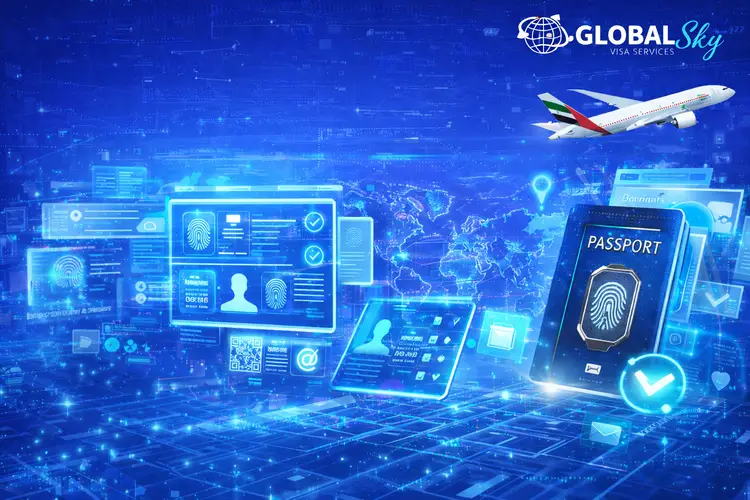
Global travel is evolving faster than ever before. As international movement increases and borders reopen fully after years of disruption, governments around the world are rethinking how visas are issued, verified, and managed. Traditional visa systems—often slow, paper-heavy, and inconsistent—are no longer able to keep up with modern travel demands. This is where AI in visa processing and digital visas come in.
By 2027, travel applications are expected to look very different from what we know today. Artificial intelligence, biometric verification, and fully digital platforms will reshape how travelers apply for visas, how governments assess applications, and how quickly approvals are granted. Understanding these changes now can help travelers, businesses, and travel professionals prepare for the future of global mobility.
Why Is the Visa Application Process Changing So Fast?
International travel has grown significantly over the past decade, with more people traveling for tourism, work, education, and remote opportunities. This growth has exposed the weaknesses of traditional visa systems. Long processing times, inconsistent document checks, manual reviews, and physical embassy visits often create delays and frustration for travelers.
At the same time, governments face increasing pressure to improve border security while making travel easier for genuine visitors. The rise of AI, digital identity tools, and secure online platforms has provided a solution. These technologies allow authorities to process applications faster, detect risks earlier, and reduce human error—driving the shift toward online visa systems and paperless visa processing.
What Are Digital Visas and How Do They Work?
Digital visas are electronic travel authorizations issued online without the need for physical visa stickers or stamps. These include eVisas, electronic travel authorizations (ETAs), and biometric-linked visas that are stored digitally and verified at borders through secure systems.
Unlike traditional visas, which often require embassy visits and physical paperwork, digital visas are applied for online. Applicants upload documents, complete forms digitally, and receive approvals electronically. Many digital visas are linked to biometric data such as fingerprints or facial recognition, allowing immigration officers to verify identity quickly and securely upon arrival.
The key difference between traditional and digital visas lies in efficiency. Digital systems reduce paperwork, minimize processing delays, and offer real-time tracking—making them more suitable for modern travel needs.
How Is AI Already Being Used in Visa Processing Today?
Artificial intelligence is already playing a significant role in visa systems across several countries. One of the most common uses of AI is document verification. AI tools can instantly analyze uploaded passports, bank statements, employment letters, and travel histories to check for inconsistencies or missing information.
Biometric screening is another area where AI has become essential. Facial recognition and fingerprint matching help verify applicants’ identities and reduce fraud. AI-powered fraud detection systems can flag suspicious patterns, identify forged documents, and detect repeat applications under different identities.
Additionally, AI helps speed up background checks by scanning databases more efficiently than manual processes. These applications have already reduced processing times in many countries and laid the foundation for more advanced AI travel applications in the coming years.
How Will AI Transform Visa Applications by 2027?
By 2027, AI is expected to handle much more than basic document checks. Visa applications will likely be reviewed in near real time, with AI systems assessing risk levels, travel history, and eligibility almost instantly. Predictive approval models may estimate approval chances before an application is even submitted.
Human errors—such as missed documents or inconsistent evaluations—will be reduced significantly. AI systems can apply standardized rules consistently, ensuring fairer outcomes. Processing timelines are expected to shorten dramatically, turning weeks-long waits into approvals within days or even hours for eligible travelers.
These advancements will redefine the future of travel visas, making international mobility faster and more efficient while maintaining security standards.
Will Digital Visas Replace Embassy Visits Completely?
While digital visas will reduce the need for embassy visits, they are unlikely to eliminate them entirely by 2027. Many countries are moving toward fully digital systems for short-term tourist and business visas, especially for low-risk travelers.
However, embassies will still play a role in complex cases such as long-term residency, work permits, family reunification, and appeals. Some travelers may still need in-person interviews or biometric enrollment for certain visa categories.
The most likely outcome is a hybrid visa model, where routine applications are handled digitally while embassies focus on exceptional or high-risk cases.
What Benefits Will Travelers Experience with AI-Powered Visa Systems?
For travelers, the benefits of AI-powered visa systems are substantial. Faster approvals reduce uncertainty and make travel planning easier. Automated document checks mean fewer rejections caused by minor errors or missing paperwork.
Transparency will also improve. Many digital systems already allow applicants to track their application status in real time, and future systems may offer personalized updates and recommendations. AI may even suggest the most suitable visa category based on travel purpose and history.
Overall, AI-driven systems promise a smoother, more predictable experience for travelers applying for visas.
What Challenges Could AI & Digital Visas Create?
Despite the advantages, AI and digital visas are not without challenges. Data privacy is a major concern, as digital systems rely heavily on personal and biometric data. Governments and service providers must ensure strong cybersecurity measures to protect sensitive information.
Technical issues can also arise. System outages, software errors, or incorrect data interpretation could affect applications. Digital literacy may become a barrier for some travelers who are unfamiliar with online systems.
Another concern is the risk of automated rejections. While AI reduces human error, it may also reject applications without clear explanations, making appeals more complicated without professional guidance.
How Should Travelers Prepare for AI-Based Visa Applications?
Travelers can prepare for AI-driven visa systems by maintaining accurate and consistent digital records. This includes ensuring passport details, travel history, and personal information are always up to date.
Understanding biometric requirements is also important. Many digital visas rely on facial recognition or fingerprint data, so travelers should be prepared for biometric enrollment either online or at designated centers.
Most importantly, travelers should submit accurate documents and avoid inconsistencies, as AI systems are highly sensitive to errors.
Why Will Professional Visa Agencies Still Matter in the AI Era?
Even as visa systems become more automated, professional visa agencies will remain essential. AI systems follow strict rules but lack human judgment and context. Visa agencies help interpret requirements, prevent errors, and handle complex cases that automated systems may struggle with.
Agencies also assist with appeals, reapplications, and special circumstances. As systems become more advanced, expert guidance will help travelers navigate new technologies confidently and avoid costly mistakes.
Global Sky Visa continues to support travelers by combining digital readiness with human expertise, ensuring smooth visa applications even in an AI-driven future.
Frequently Asked Questions (FAQs)
Will AI approve visas automatically in the future?
AI will handle much of the review process, but final approvals will still involve government oversight.
Are digital visas safer than traditional visas?
Yes, digital visas often use advanced encryption and biometric verification, making them more secure.
Which countries are already using AI for visa processing?
Countries such as the USA, UK, Australia, Singapore, and several EU nations already use AI in various stages of visa processing.
Will AI reduce visa rejection rates?
AI can reduce rejections caused by errors, but eligibility requirements will still apply strictly.
Do travelers still need visa agencies in the future?
Yes, especially for complex applications, appeals, and understanding evolving digital systems.
Conclusion: The Future of Travel Is Digital, But Guidance Still Matters
By 2027, AI and digital visas will transform travel applications into faster, smarter, and more efficient systems. Travelers will benefit from quicker approvals, reduced paperwork, and clearer processes. However, technology alone cannot replace expert guidance, especially in complex or high-stakes cases.
The future of travel is digital—but informed preparation and professional support will remain key to successful visa applications.
Planning for the Future of Travel Visas?
As visa systems evolve, staying informed is more important than ever.
Contact Global Sky Visa for expert visa consultation, digital visa guidance, and future-ready travel planning—so you’re prepared for the next generation of international travel.
🌍 Global Sky Visa — guiding you confidently into the future of travel.