
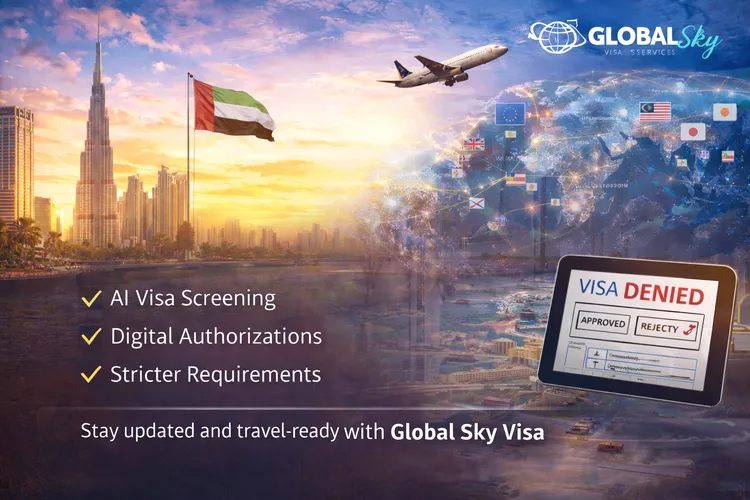
Visa Policy Changes 2026: What UAE Travelers Need to Know (Latest Updates & Travel Impact)
International travel is changing fast, and 2026 will be a turning point for global visa policies. For UAE residents, staying updated on visa rule changes is no longer optional—it’s essential. Governments worldwide are tightening entry rules, adopting AI-driven screening systems, and shifting to fully digital visa processes. These changes directly affect how, when, and how easily UAE travelers can secure visas.
If you’re planning to travel abroad in 2026—whether for tourism, business, studies, or family trips—understanding visa policy changes 2026 will help you avoid delays, rejections, and last-minute stress. This guide explains what’s changing, why it matters, and what UAE travelers should do now to stay approval-ready.
Why Are Visa Policies Changing in 2026?
Visa rules are changing in 2026 mainly due to global travel recovery, migration control, and technology adoption. As international travel volumes return to pre-pandemic levels, countries are facing challenges such as overstays, identity fraud, and security risks. To manage this, governments are turning to AI-driven visa screening, biometric verification, and digital borders.
In simple terms, visa rules are changing because countries want better control, faster decisions, and lower risks. For UAE travelers, this means visa applications will be more data-driven and detail-oriented than ever before. Staying updated is critical, because even small documentation errors can trigger delays or refusals under the new systems.
What Major Visa Policy Changes Are Expected in 2026?
Globally, visa systems are becoming smarter—but also stricter. One major change is the expanded use of artificial intelligence in visa processing. AI systems will automatically verify documents, analyze travel history, cross-check financial data, and flag inconsistencies before a human officer even reviews the application.
Another key shift is the move toward fully digital and paperless visas. Many countries are reducing embassy walk-ins and replacing physical visa stickers with electronic authorizations linked to passports. Financial scrutiny is also increasing. Travelers will need clearer proof of income, stable employment, and genuine travel intent.
Pre-travel authorizations—similar to ETIAS or ESTA—will become more common. These systems require travelers to get approval online before boarding flights, even if they previously enjoyed visa-free access.
Which Countries Are Changing Visa Rules for UAE Travelers?
Europe (Schengen Area)
Europe is introducing ETIAS (European Travel Information and Authorization System), which will affect UAE travelers visiting Schengen countries. While it’s not a visa, it adds an extra approval step, and applications will be checked against security and immigration databases.
United Kingdom
The UK is expanding digital visa systems and increasing background verification. Financial documents, travel purpose, and return intent will be reviewed more closely for UAE residents.
United States
The US is enhancing AI-supported interview screening, travel history checks, and biometric verification. Visa interviews may become more structured, with less tolerance for unclear answers or missing documents.
Asia (Japan, Thailand, South Korea)
Asian countries are modernizing visa platforms with online approvals, biometric data, and automated checks. Some visa-on-arrival privileges may shift to pre-approval systems.
GCC & Middle East
Regional travel rules are becoming more standardized, with tighter entry documentation and digital tracking for visitors and residents.
How Will Visa Policy Changes Affect UAE Residents?
For UAE travelers, these changes mean longer processing times during peak seasons, especially summer, Eid, and winter holidays. Applications with weak financial proof, unclear travel history, or inconsistent information will face a higher risk of rejection.
Travel history will play a bigger role. Frequent travelers with clean records will benefit, while first-time or irregular travelers may face more scrutiny. Overall, the demand for professional visa support in the UAE will increase, as travelers seek expert help to meet stricter requirements.
Will Visa Applications Become Harder in 2026?
Visa applications will not necessarily become harder, but they will become more detailed, data-driven, and documentation-sensitive.
AI-based systems don’t overlook mistakes. Inconsistent dates, unclear bank statements, or mismatched information can trigger automatic red flags. Accuracy matters more than ever. Many rejections in 2026 will happen not because travelers are ineligible—but because applications are poorly prepared.
What Should UAE Travelers Do to Prepare for Visa Changes?
UAE residents should start applying earlier than before, ideally 6–8 weeks ahead for popular destinations. Maintaining clean travel records, clear financial documentation, and consistent personal information is essential.
Avoid last-minute applications, rushed bookings, or incomplete paperwork. A professional visa review can identify issues before submission, reducing rejection risk significantly. Preparation is the biggest advantage travelers can have in 2026.
Why Professional Visa Guidance Matters More After 2026
AI systems don’t forgive errors, and embassy officers rely heavily on automated risk scores. Professional visa agencies understand country-specific changes, embassy expectations, and AI screening patterns.
This is where Global Sky Visa stands out—as a regulation-aware, risk-reducing partner for UAE travelers. Expert guidance can mean the difference between approval and refusal in the new visa landscape.
How Global Sky Visa Helps UAE Travelers Stay Visa-Ready
Global Sky Visa actively monitors global visa policy changes, embassy updates, and digital system rollouts. Every application is checked for accuracy, financial clarity, and compliance with the latest rules.
Whether you’re a family traveler, business professional, student, or frequent flyer, Global Sky Visa provides country-specific strategies, documentation support, and proactive guidance to keep you approval-ready in 2026 and beyond.
FAQs: Visa Policy Changes 2026
What visa changes are coming in 2026?
Visa systems will rely more on AI, digital approvals, biometric data, and stricter financial checks.
Will UAE residents face more visa rejections?
Only if applications are poorly prepared. Well-documented applications remain strong.
Which visas will become digital?
Many Schengen, UK, Asian, and pre-travel authorization systems will shift to paperless formats.
How early should I apply in 2026?
At least 6–8 weeks before travel, especially during peak seasons.
Can visa agencies help reduce rejection risk?
Yes. Professional agencies significantly reduce errors and improve approval chances.
Conclusion: Stay Ahead of Visa Changes, Not Behind Them
Travel confidence in 2026 will belong to those who prepare early, stay informed, and apply smartly. Visa rules are evolving—but with the right guidance, UAE travelers can continue to explore the world smoothly.
Worried about visa rule changes in 2026?
Let Global Sky Visa keep you informed, prepared, and approval-ready with expert visa consultation and up-to-date guidance.